The Fennell Group
Clean energy and industrial decarbonisation at Imperial College London
The Fennell Group is led by Professor Paul Fennell FIChemE FREng, Professor of Clean Energy in the Department of Chemical Engineering at Imperial College London. The group works on cutting carbon emissions from the industries that are hardest to decarbonise, such as cement, steel and chemicals, where switching to renewable electricity is not enough on its own.
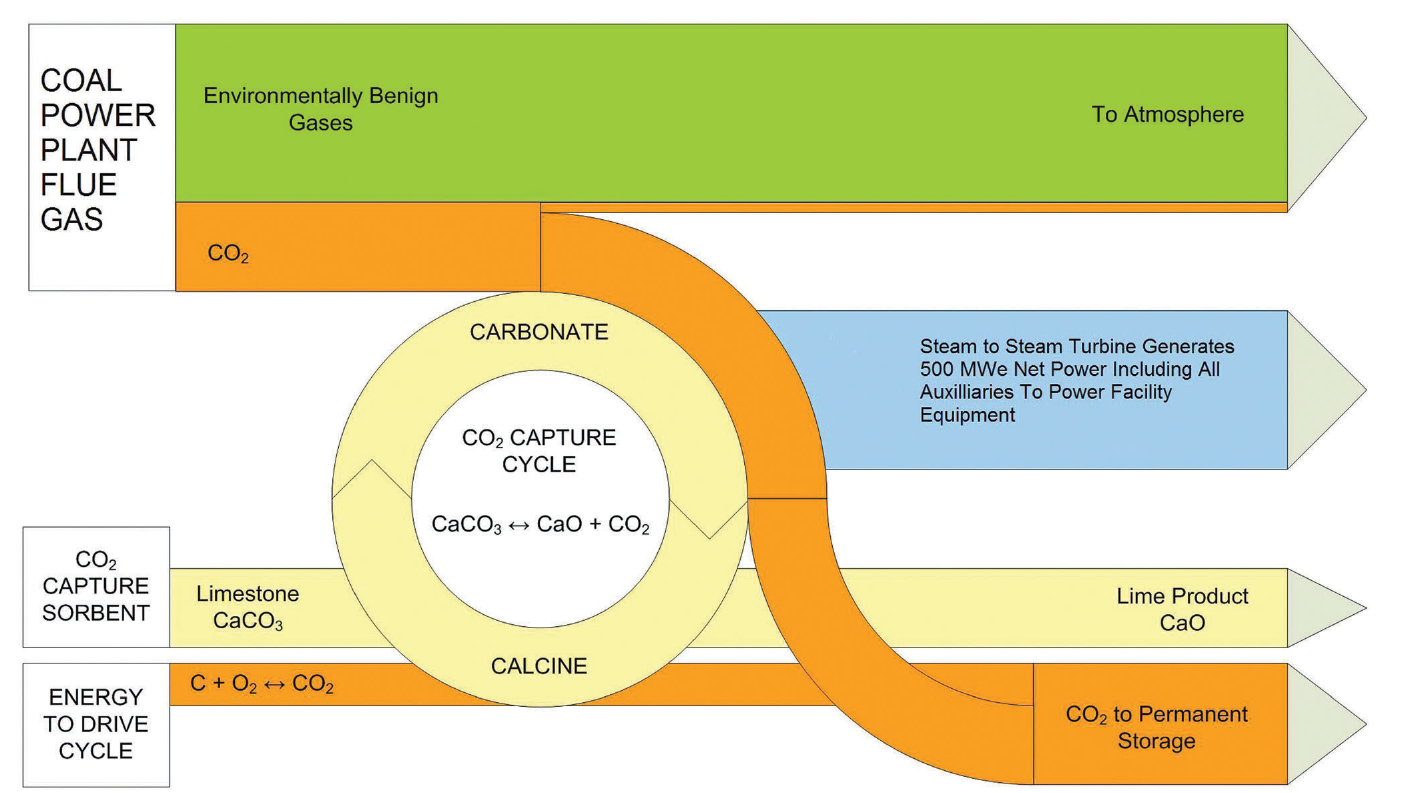
The calcium looping cycle. Figure 10 of Bui et al., Energy Environ. Sci. 11, 1062 (2018), cropped, CC BY 3.0.
What we work on
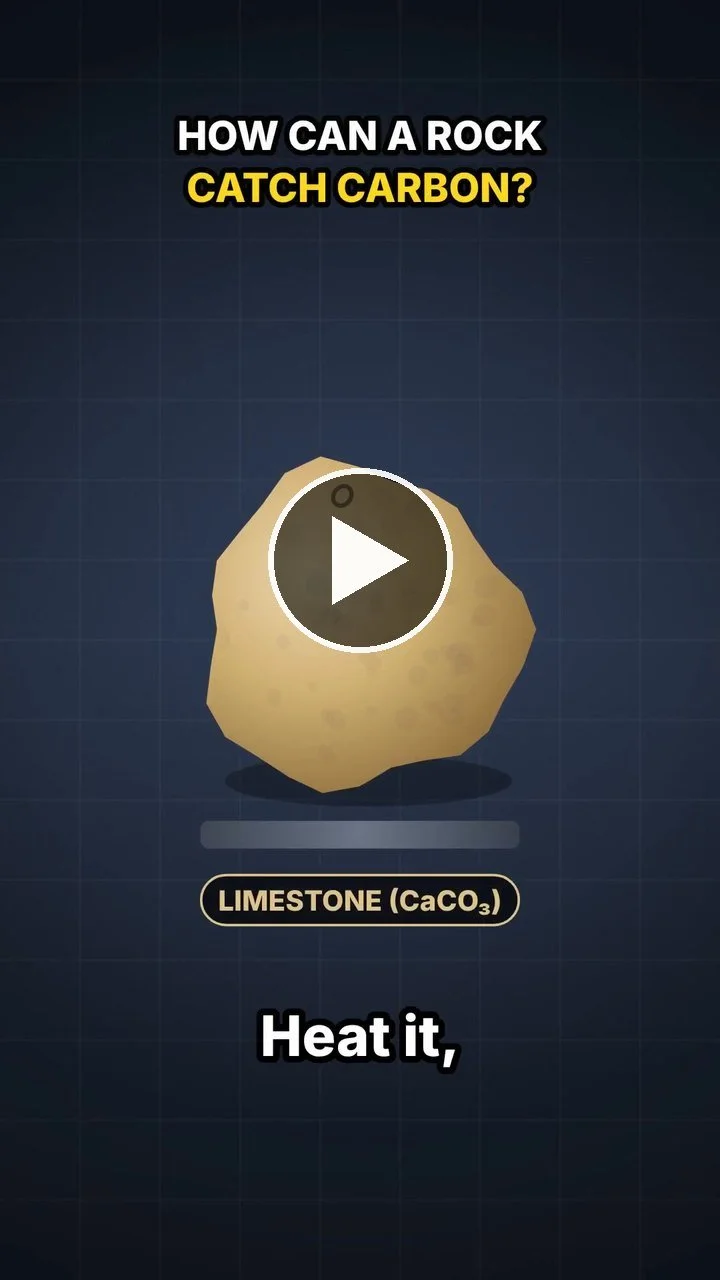
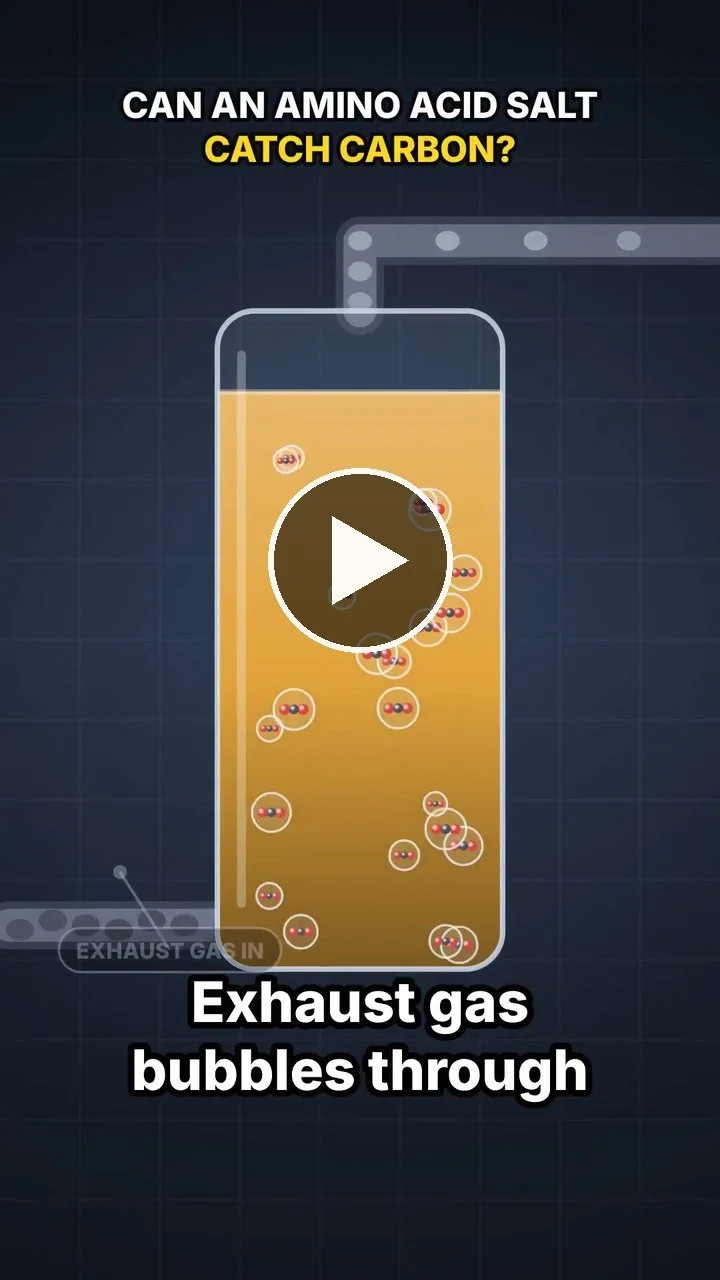
Carbon capture and storage. New capture technologies, particularly calcium and chemical looping cycles, and the techno-economics of applying capture to industrial sites.
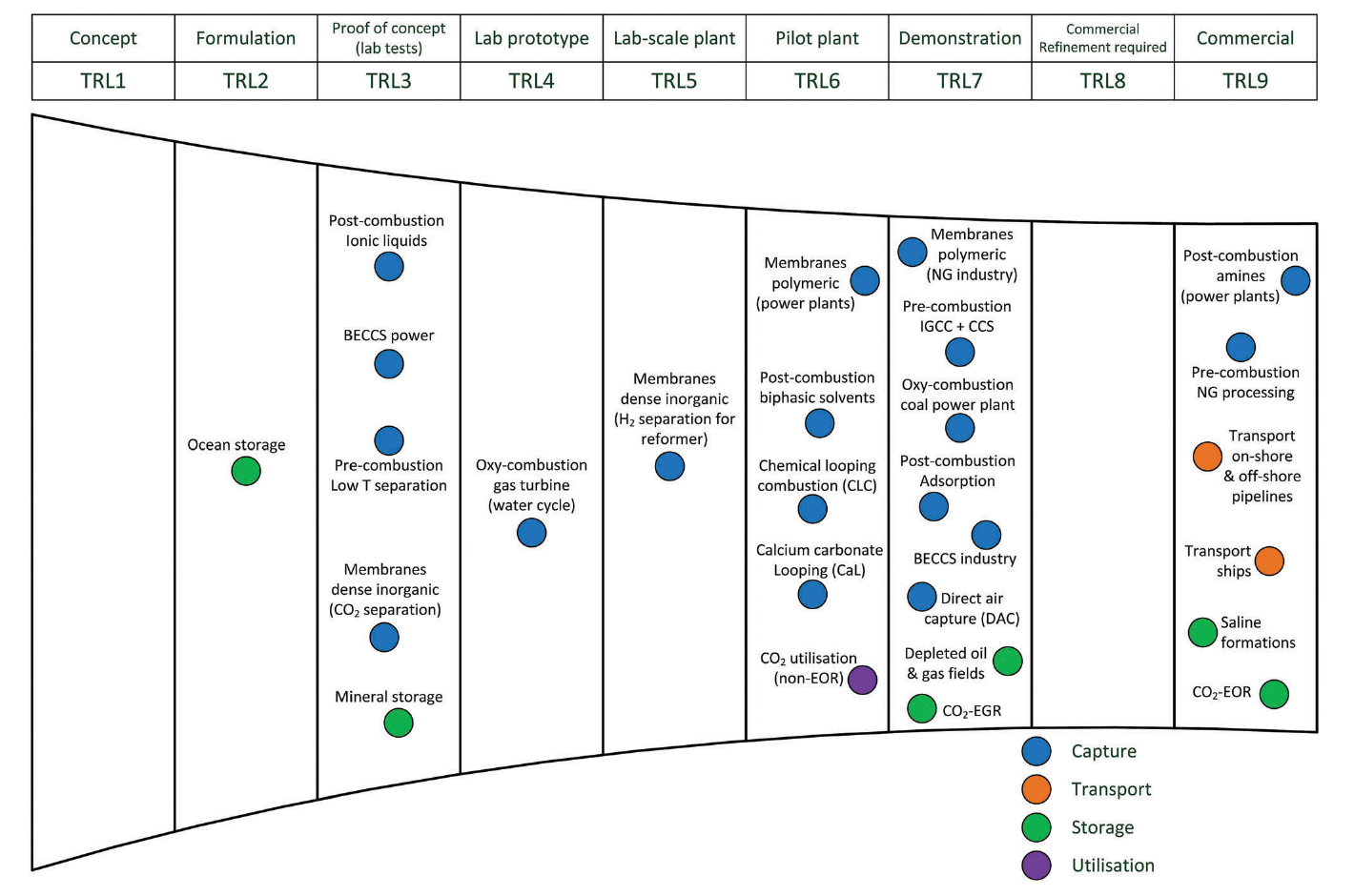
Development progress of carbon capture, storage and utilisation technologies. Figure 1 of Bui et al. (2018), cropped, CC BY 3.0.
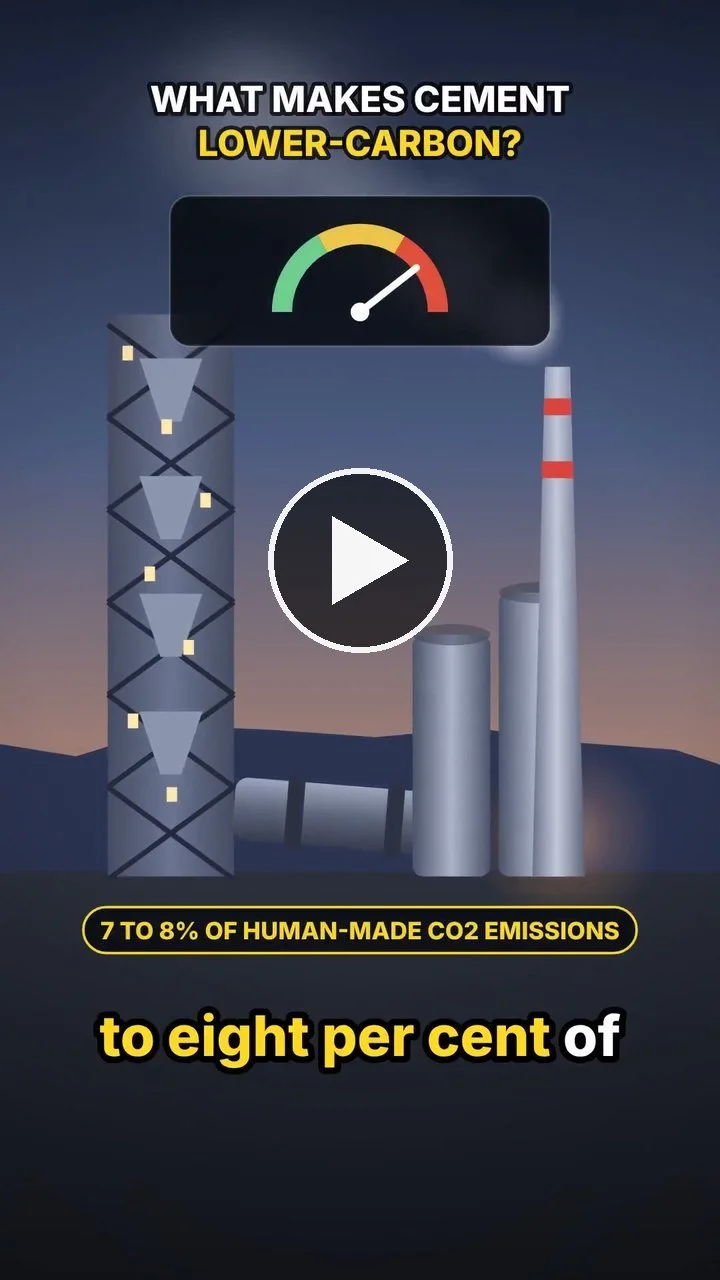
Low-carbon cement and steel. Routes to net zero for the foundation materials, including carbon capture on cement kilns, CO2 mineralisation in concrete and iron-based chemical looping.
Clean hydrogen. Hybrid processes that produce hydrogen alongside steel, cement and chemicals, including sorption-enhanced reforming and chemical looping.
Direct air capture. Modelling of how local climate affects the performance and cost of capturing CO2 directly from the air.
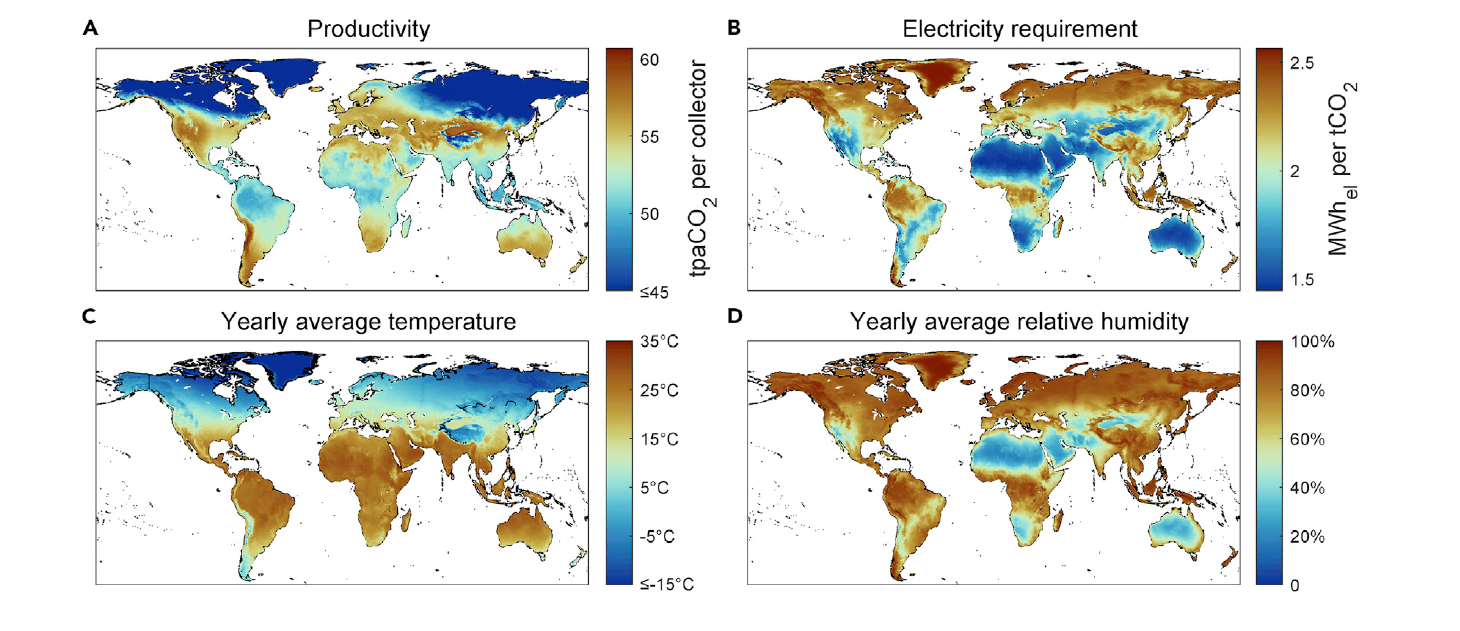
Global performance of direct air capture. Figure 3 of Sendi et al., One Earth 5, 1153 (2022), cropped, CC BY 4.0.
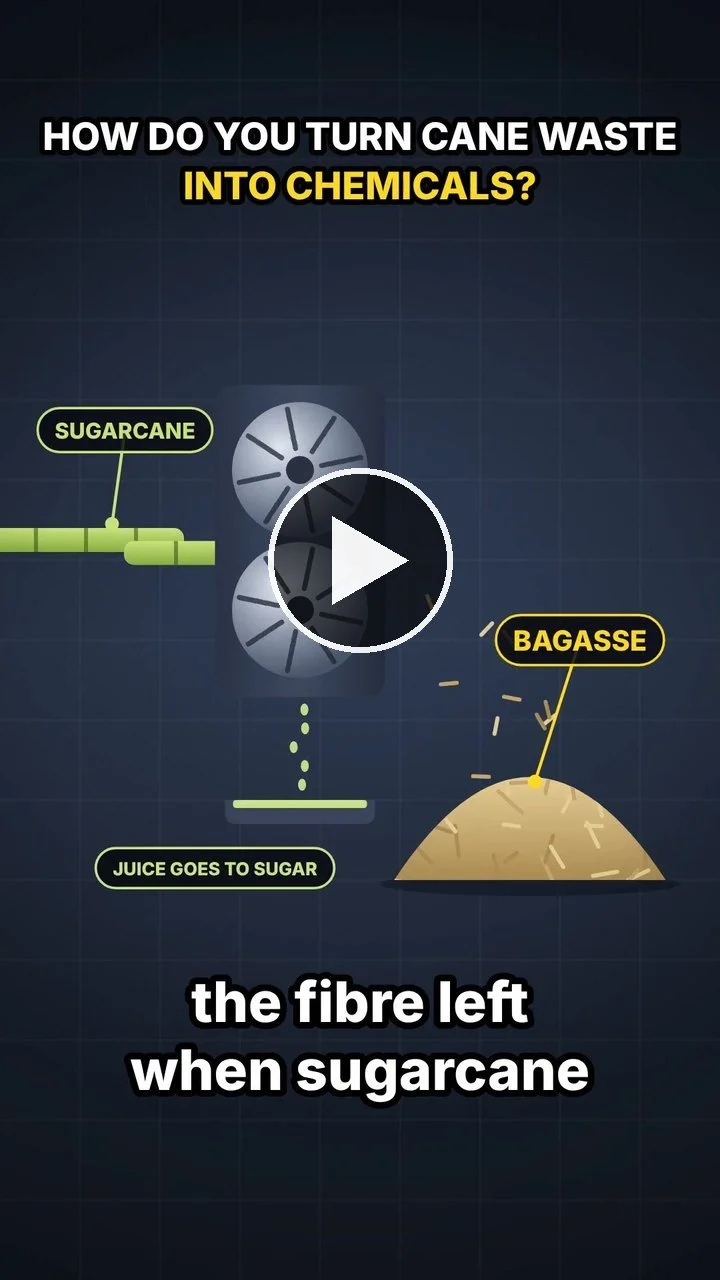
Bio-based chemicals and critical materials. Ionic liquid processes that turn agricultural waste such as sugarcane bagasse into chemicals such as furfural, and that recover valuable materials from waste streams. This work has led to two spin-out companies.
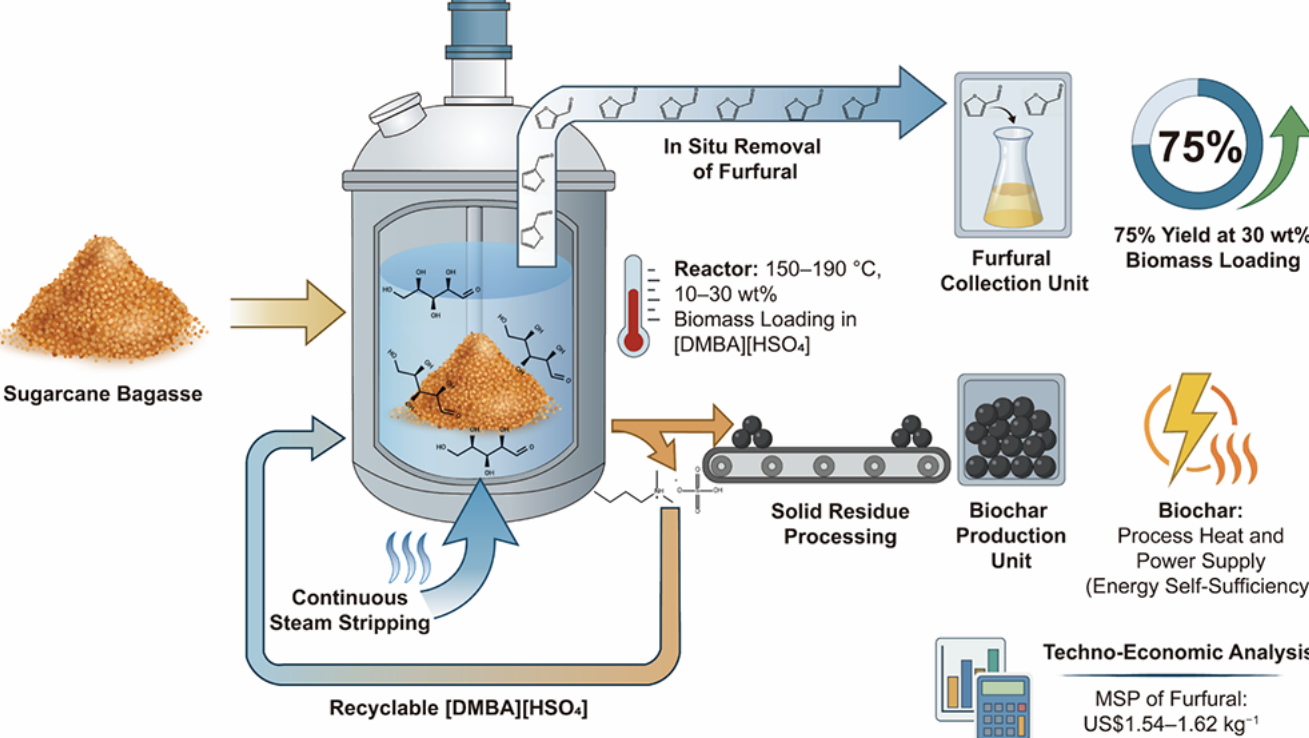
Furfural from sugarcane bagasse. Graphical abstract of Zhang et al., ACS Sustainable Chem. Eng. 14, 14682 (2026), cropped, CC BY 4.0.
Policy. Technical advice to the UK government and EU bodies on carbon capture and industrial decarbonisation.
Professor Fennell is also Co-Director of the Centre for Doctoral Training in Green Industrial Futures.
Find out more
Professor Fennell's Imperial profile
The Fennell Group Podcast, also on Spotify
Watch our videos
Short films on our papers. Select a still to watch on YouTube, or see the Videos page.